The Power of Nutrition: 3 Vitamins That Can Boost Your Immunity
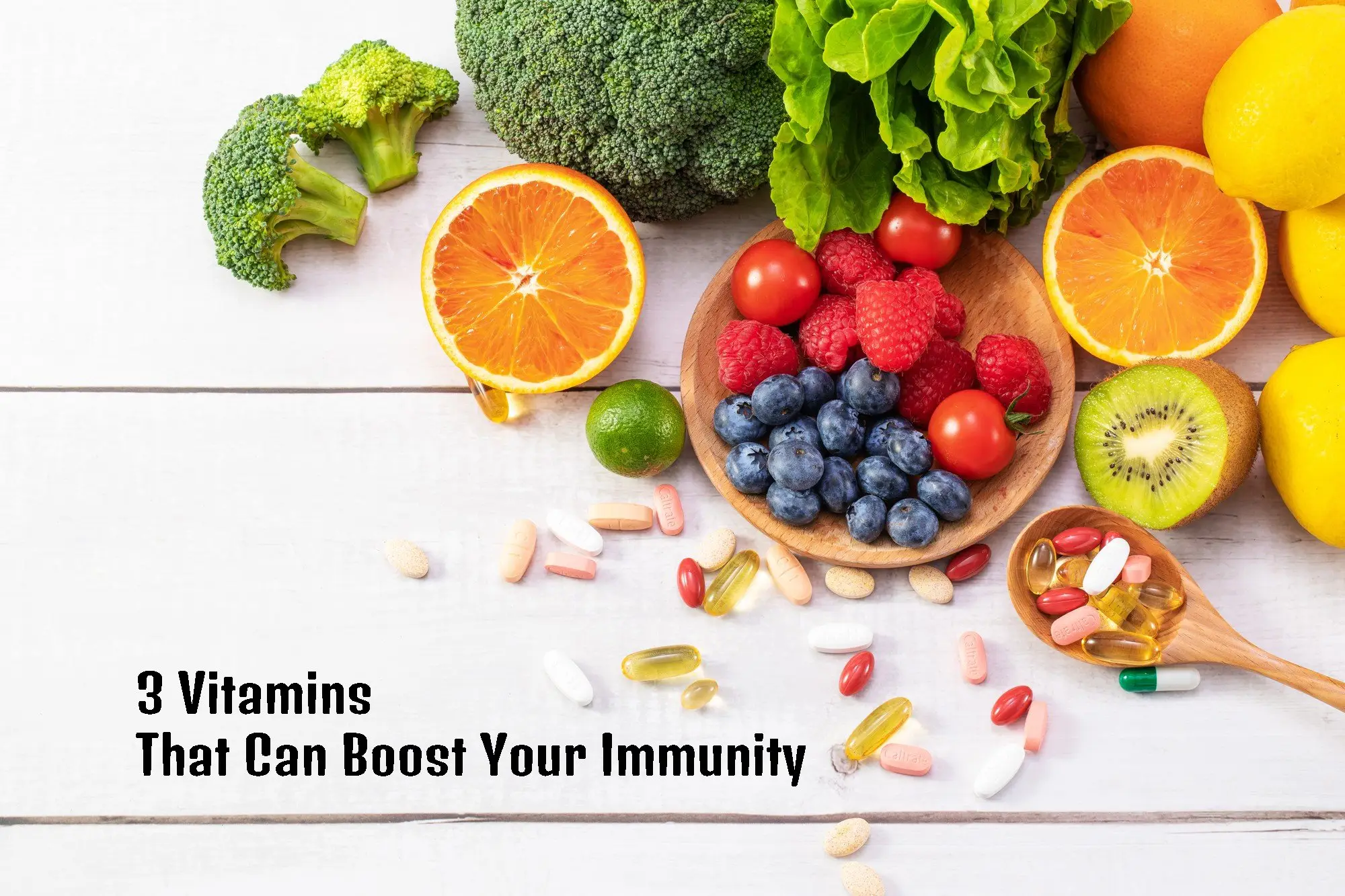
The food we eat determines our overall health and immunity. As immunity is the first line of defense and protection of a body from illness and diseases, it is much more needed now than ever. While a healthy balanced diet is a need of an hour. Few nutrients and vitamins play a special role in boosting our immunity.
Among these nutrients, today we will be discussing the three most dominant vitamins which help in boosting immunity.
1. Vitamin C
Vitamin C, also known as ascorbic acid, is a water-soluble vitamin that plays a crucial role in supporting our immune system. It helps kickstart the immune response by promoting the production of lymphocytes, leukocytes (white blood cells), and phagocytes, which are all essential for defending the body against infections.
How Vitamin C Works
- White blood cells (WBCs) are responsible for attacking foreign substances that enter the body and combating germs.
- This vitamin is often referred to as “the army of our body” due to its role in enhancing WBC function.
Why You Need to Consume Vitamin C Daily
Since vitamin C is water-soluble, it cannot be stored in the body and is easily lost through bodily fluids. Therefore, it is important to include foods rich in vitamin C in your daily diet.
Food Sources of Vitamin C
- Citrus fruits such as oranges, lemons, melons, papayas, grapefruits, strawberries, and tomatoes
- Amla (Indian gooseberry)
- Kiwi
- Bell peppers
- Black currants
- Broccoli
- Leafy greens
Cooking Tip: Preserve Vitamin C by Avoiding Heat
As vitamin C is sensitive to heat, cooking can destroy its content. To retain this vitamin’s goodness, it’s best to consume raw or lightly cooked foods that are rich in vitamin C.
2. Vitamin D
Vitamin D is another vital nutrient that plays a significant role in boosting immunity. Unlike vitamin C, which is water-soluble, vitamin D is a fat-soluble vitamin that can be stored in our fat cells.
The Importance of Vitamin D for Immune Health
If there are any temporary fluctuations in our daily intake of vitamin D, our body has the ability to tap into its reserves stored in fat cells. However, deficiency of this vitamins has been closely linked with increased susceptibility to infections.
Challenges for Vegetarians in Obtaining Sufficient Vitamin D
For individuals following a vegetarian diet, obtaining adequate amounts of vitamin D can be challenging since this nutrient is not abundantly found in vegetarian foods.
Best Sources of Vitamin D: Food and Sunlight
In such cases, supplements may become the most effective means for many people to meet their daily requirements. Additionally, direct exposure to sunlight also serves as an excellent source of this essential vitamin.
Food Sources of Vitamin D
- Fatty fish like salmon and tuna
- Cod liver oil
- Beef liver
- Egg yolk
- Cheese
- Sardines
- Swordfish
- Certain types of mushrooms (such as shiitake)
- Fortified foods like dairy products (milk/yogurt), soy milk, orange juice, and cereals
3. Vitamin E
Vitamin E is yet another important nutrient that contributes to immune function. This fat-soluble vitamin acts as a powerful antioxidant and helps reduce oxidative stress within our bodies.
The Role of Oxidative Stress in Aging Immune Function
Oxidative stress refers to an imbalance between free radicals (unstable molecules) and antioxidants in the body. It can lead to cellular damage over time and negatively impact various bodily functions including immune response.
By modulating immune function at the cellular level—especially among older adults who may experience natural declines in immunity—vitamin E supports overall health defenses against infections.
Food Sources Rich In Vitamin E Include:
- Nuts & seeds: Almonds & sunflower seeds are particularly high sources.
- Spinach & broccoli: These leafy green vegetables contain moderate amounts.
- Avocado: This creamy fruit also provides some level of this beneficial nutrient.
- Vegetable oils: Such as wheat germ oil & sunflower oil which are commonly used for cooking or salad dressings.
Incorporating these vitamins into your diet through whole foods whenever possible will not only help strengthen your immune system but also promote overall well-being!

Leave a Reply
Want to join the discussion?Feel free to contribute!